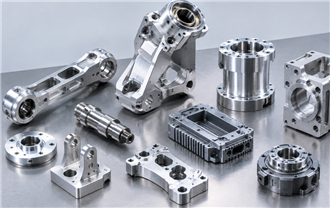
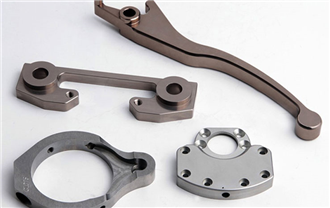
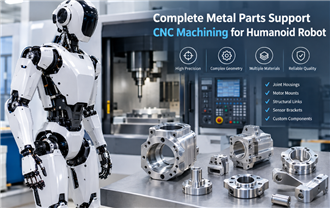
A Robotic Parts Manufacturer with advanced CNC expertise helps turn humanoid robot designs into accurately machined components that support balance, coordinated movement, structural stability, and compact mechanical assemblies. From lightweight frame conn
Why CNC Copper Parts Matter in Aerospace ConnectorsCNC Copper Parts play an important role in aerospace connectors, where electrical continuity, dimensional accuracy, and dependable contact performance are essential. These components may include contact p
CNC Copper Parts for Power Electronics are widely used where electrical conductivity, thermal transfer, and dimensional accuracy must work together. In high-power electronic equipment, copper components may serve as busbars, terminals, heat-transfer inter
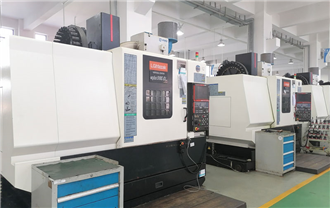
1. Why Material Selection Matters A Copper CNC Machining Servicewith Material Selection should begin with the component's functional requirements rather than material price alone. Electrical conductivity, thermal performance, mechanical strength, c
ARobotic Parts Manufacturerwith rapid prototyping bridges the gap between a robot’s CAD concept and a motion-ready machine. Whether you are developing a humanoid, a collaborative arm, or a custom end-effector, fast iteration on joints, links, brackets, an
Humanoid Robot Parts are the mechanical foundation behind stable walking, precise hand operations, and coordinated body movement in human-shaped robots. Unlike industrial robotic arms that mainly repeat programmed actions, humanoid robots must continuousl
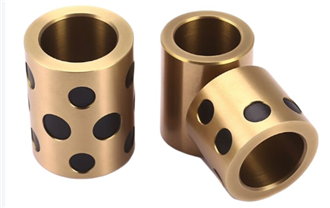
Copper CNC turning parts for bushings are essential where electrical conductivity, heat transfer, and wear resistance must work together. Copper alloy bushings are widely used in motors, pumps, starters, marine hardware, and switchgear. The real challenge
Automotive platforms increasingly rely on copper for electrical conductivity, thermal management, and corrosion resistance.Copper Componentsare used in EV busbars, battery connectors, terminals, contactors, sensors, and motor assemblies. CNC machining con
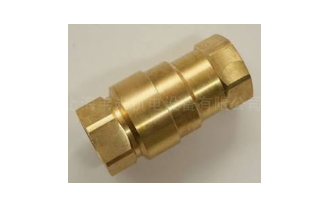
Copper fittings demand exacting tolerances, superior surface finishes, and reliable performance across plumbing, HVAC, electrical, and industrial fluid systems. Achieving these requirements at scale requires more than standard machining—it requiresCopper
Copper flanges connect pipes, busbars, heat exchangers, and electrical housings. They must seal, conduct, and fit without distortion. Producing them by CNC turning demands more than standard steel cutting: copper is soft, gummy, and thermally conductive.
Standard copper materials are easy to purchase, but producing copper components with unusual dimensions, special structures, or strict tolerances requires advanced manufacturing experience. Many industries need copper parts that cannot be replaced by off-
Copper is widely used in electrical, thermal, and industrial applications because of its excellent conductivity and heat transfer capability. However, copper surfaces are relatively soft and can be affected by oxidation, scratches, and environmental expos